
Guide · Shopify · India 2026
How to hire a Shopify developer or agency in India.
The right Shopify developer makes your store faster, easier to run and better at selling. The wrong one leaves you with a slow store, a pile of apps and code nobody else can maintain. Here is how to tell them apart before you hire a Shopify developer in India.

Ashutosh Arya, founder of Ary-keting17 October 2026 · 7 min read
Or call +91 83173 44121 · Mon–Sat, 9 AM–9 PM · We reply within one working day
01 · Short answer
The short answer.
Hire for the job you actually have. A freelancer is often the best value for a small, well-defined task. An agency suits brands that need several services under one contract. A small studio suits brands that want one team to design, build and then keep improving the store alongside the ads that send traffic to it.
Whoever you choose, judge them on live stores they have built, how they handle speed and apps, and whether the store and code stay in your name. The hourly rate matters less than any of those.
02 · Three kinds of hire
Freelancer, agency or studio.
Freelancer
One person, usually priced by the task or the hour. The range is wide: some freelancers install a theme and change the colours, others are senior Liquid developers who are as good as any agency.
Good for: new sections, fixes, speed work, small redesigns, brands that already have a designer. Watch out for: a single point of failure. If they get busy or unwell, nobody else knows your code.
Agency
A larger team with project managers, designers and developers, often offering many services. Good for: bigger projects with several moving parts and brands that want one vendor. Watch out for: the senior people who pitch to you may not be the ones who build your store. Ask who will.
Studio
A small team that covers design, development and often marketing. Ary-keting is one: we build custom Shopify themes and also run performance marketing and AI video ads, so the store is built with the ads and sales flow in mind. Good for: brands that want the people building the store to also understand how it sells. Watch out for: capacity. A small team can only take on so many builds at once, so ask about timelines early.
03 · Skills to check
The skills that matter.
Shopify looks simple from the outside, but good store work needs a specific set of skills. These are the ones to check:
- Liquid. Shopify's template language. A developer should be comfortable writing it by hand, not only editing theme settings.
- Online Store 2.0. Modern Shopify themes use JSON templates and sections, so your team can add, remove and reorder sections on most pages in the theme editor without a developer. Ask whether their sections come with sensible settings and presets. Shopify's own Online Store 2.0 documentation ↗ explains the architecture.
- Speed. Responsive images, lean JavaScript, fonts that load quickly and testing on real mid-range phones. Ask how they measure speed, and check their live stores with Google's PageSpeed Insights ↗.
- Apps, used carefully. Every app can add scripts to your store. A good developer will tell you when a few lines of theme code can replace an app, and will test each app on mobile before launch.
- Integrations. Third-party checkouts, reviews, WhatsApp, analytics and ad pixels. These need testing end to end, including a real order.
- Migrations and SEO. Moving products, customers and URLs from another platform, with redirects set up so search rankings are not lost.
- Version control and handover. The theme should be kept in a code repository, with a clear handover so another developer could pick it up later.
04 · Check the work
How to check their past work.
Portfolios are easy to dress up. Live stores are not. Before you hire, do this:
- Open three of their live stores on your own phone. Browse a collection, open a product, add to cart and go to checkout. Is it quick? Does anything jump around as it loads?
- Run them through PageSpeed Insights. One number does not tell the whole story, but a pattern of slow stores is a warning.
- Ask what exactly they did on each store. A full custom build, a theme customisation and a few fixes are very different pieces of work.
- Ask to speak to one past client if the project is large.
Portfolios are easy to dress up. Live stores are not.
05 · Questions to ask
Ten questions to ask before you hire.
- Who will actually write the code? Meet that person.
- Will you build a custom theme, or customise an existing one? Both are valid; you should know which you are paying for.
- How many templates and sections are included? Get it in writing.
- How many revision rounds are included?
- Which apps will the store need, and what do they cost each month?
- How will you test speed and mobile layouts before launch?
- Will my team be able to edit pages without you? The answer should be yes, through Online Store 2.0 sections.
- Who owns the code, and where will it be stored?
- What support do I get after launch, and for how long?
- What will small changes cost after the support period ends?
06 · What it costs
What it costs.
Small jobs are usually priced by the task or the hour. A full store build is priced as a project, and quotes differ mainly because they cover different work: the number of templates, custom features, integrations, migration and support. Our guide to what a Shopify website costs in India covers this in detail.
As one example, here is how we price custom Shopify themes. These are starting points, not ceilings; every brief gets a clear quote before work starts, flexible to your scope.
Up to 6 templates, your brand system, mobile-first, speed pass, 2 revision rounds, 3–4 weeks.
Up to 12 templates, custom sections, filters and bundles, WhatsApp funnel, CRO pass, 5–6 weeks.
Full custom design system, unlimited templates, app integrations, migration, 60 days support.
Prices exclude GST. When comparing freelance Shopify developer rates in India (typically billed per task or hourly for single sections and fixes) against a studio build, check whether mobile speed work, GA4 and Meta Conversions API tracking, and post-launch revisions are included. If you would rather start on a ready theme, Noir Commerce is our own premium Online Store 2.0 theme ($169 one-time, 43% off the $299 regular price, with 2 free custom revision rounds; browse all Shopify themes), or you can book our done-for-you Turnkey Launchpad store setup ($549 one-time, with 100% of your $169 theme purchase credited if you upgrade). See our Shopify development service →
07 · Red flags
Red flags.
- No live stores to show, only mockups or screenshots.
- The store or code in the developer's account rather than yours.
- A fixed price with no written scope. It usually means surprises later.
- An app for everything. Ten apps where theme code would do means a slower store and higher monthly bills.
- No testing plan for phones, browsers and a real checkout.
- No mention of redirects when you are migrating from another platform.
- Vague answers about support after launch.
08 · Real example
A store that is part of the sales system.
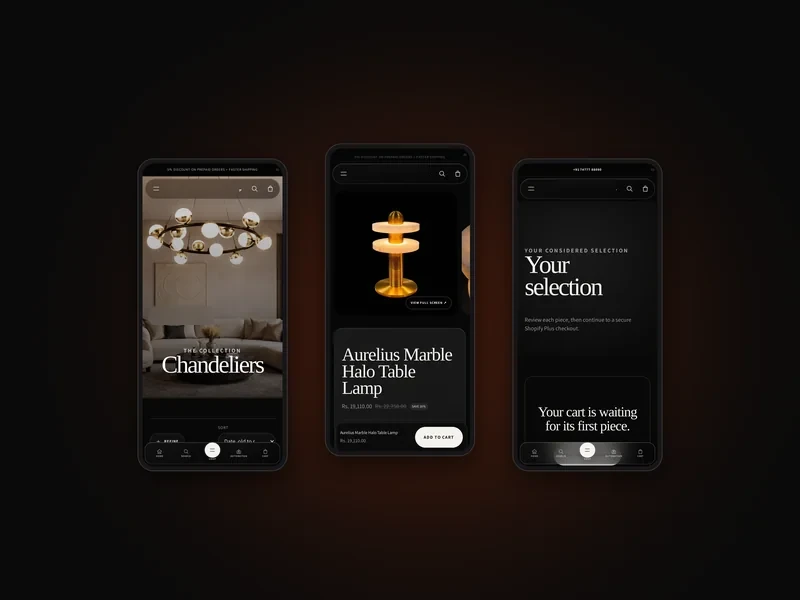
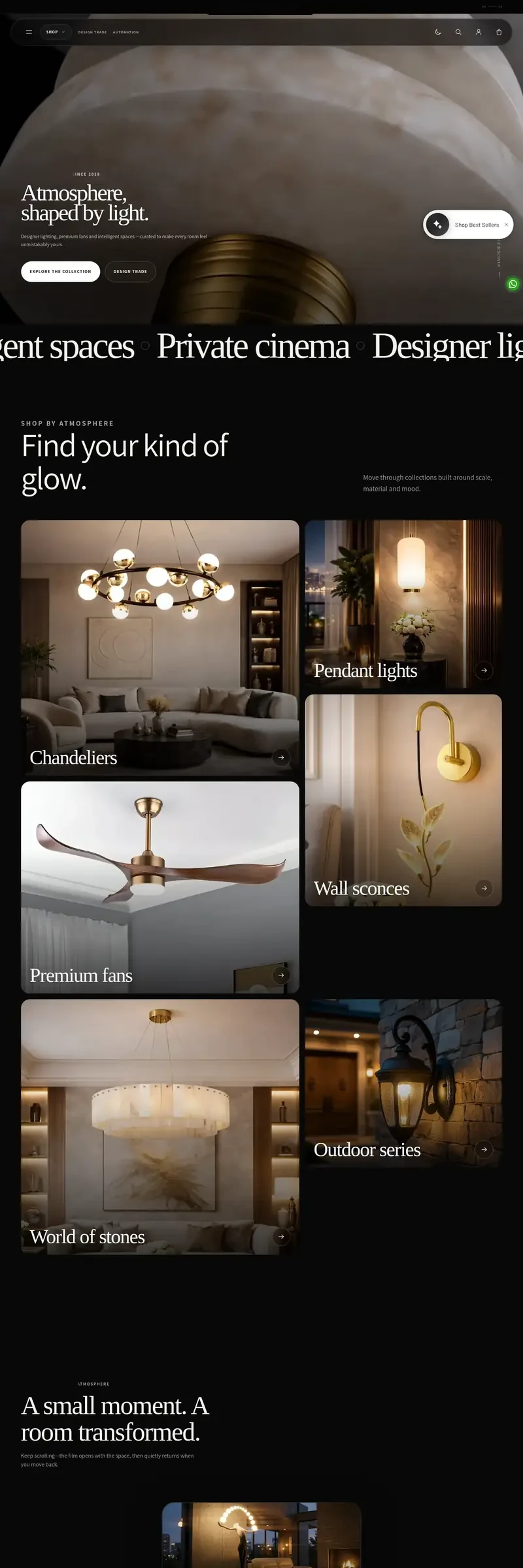
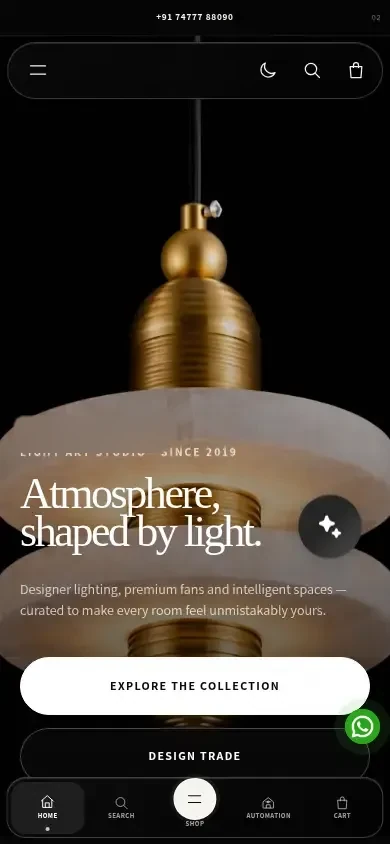
For a luxury D2C lighting brand on Shopify with GoKwik checkout, we run the Shopify store, Meta ads and a WhatsApp sales flow together. From July to October 2026 the brand did ₹1.23 Cr net sales, about 30x ROAS on Meta spend, with sales coming through both the Shopify store and WhatsApp.
The lesson for hiring: the store is not a separate project from your marketing. Ask any developer how their work will help the ads and the sales team, not only how it will look.
09 · Brief checklist
What to send a developer first.
- Your current store URL and two or three stores you like
- Number of products and collections, and how variants work
- The pages and features you need
- Apps you use now and want to keep
- Whether you are migrating from another platform
- Your launch date and budget range
With this, you will get quotes you can compare properly, and a good developer will come back with sharper questions.
10 · FAQ
Questions.
How much does it cost to hire a Shopify developer in India?
It depends on the job. Small fixes and single sections are usually priced by the task or by the hour, while a full custom theme is priced as a project. At Ary-keting, custom Shopify themes start at ₹1.5L (Essential), ₹2.75L (Growth) and ₹4.5L (Flagship), with a clear quote before work starts, flexible to your scope.
Should I hire a freelancer or an agency for Shopify?
A freelancer is often the right choice for a clear, contained job such as a new section or a set of fixes. An agency or studio is better when you need design, development, testing and support together, or when the store has to work closely with your ads and sales flow.
What skills should a Shopify developer have?
Look for hands-on Liquid, Online Store 2.0 sections and JSON templates, HTML, CSS and JavaScript, speed work on real mobile devices, careful app integration, and experience with migrations and redirects. Ask to see live stores they built, not only design mockups.
Who should own the Shopify store and theme code?
You should. The store should be in your business's Shopify account, and the developer should work as a staff or collaborator account. Keep a copy of the theme and ask for the code in a repository you control.
How long does a Shopify store build take?
Small changes can take days. For our custom builds, an Essential build takes about 3–4 weeks and Growth about 5–6 weeks; Flagship timelines depend on scope and migration. Late product data, photos and copy are the most common cause of delays.
What are typical freelance Shopify developer rates in India?
Freelance Shopify developers in India usually charge by the task or by the hour for smaller jobs such as a custom Liquid section, speed pass or checkout fix, and quote a project fee for a full store setup. When comparing freelance Shopify developer rates against a studio quote, check whether design, mobile QA, speed work, GA4 and Meta Conversions API tracking, and post-launch revisions are included.
Should I start with a ready Shopify theme or a custom store build?
If you want to launch quickly on a proven layout, start with a ready Online Store 2.0 theme rather than paying for a custom build from scratch. Our Noir Commerce theme is $169 one-time (₹16,179, 43% off the $299 regular price) and includes two free custom revision rounds. If you want our team to handle the complete Shopify store setup in 7 days or less, our Turnkey Launchpad is $549 one-time, and 100% of your $169 theme purchase is credited toward Launchpad. Custom builds from ₹1.5L suit brands that need a bespoke design system and custom templates.
How does Noir Commerce compare to Dawn or themes like Impulse and Prestige?
Dawn is Shopify's free starter theme and a solid base if you have a developer to design and build custom sections on top of it. Shopify Theme Store themes such as Impulse and Prestige typically cost $350 to $400 USD for a single-store licence with no setup help. Noir Commerce is $169 one-time (43% off the $299 regular price), built on Online Store 2.0 for luxury and high-AOV D2C catalogues, and includes two free rounds of custom changes from our studio.
Where is Ary-keting based, and do you work with brands across India?
Our studio is at 3B Alpine Apartment, opposite Ram Thakur Mandir, Milanpally, Siliguri 734005, West Bengal, open Monday to Saturday from 9 AM to 9 PM. We work with D2C and ecommerce brands across India and abroad over calls, WhatsApp and collaborator access, and you can also visit our Siliguri studio in person.
Written by
Ashutosh Arya, founder of Ary-keting, a studio in Siliguri, West Bengal that builds custom Shopify themes, runs performance marketing on Meta, Google and Amazon, and makes AI video ads. Ash built the Shopify themes Noir Commerce and Soma, and has run marketing for a luxury lighting brand since July 2026. Ash was rated 4.9/5 on Fiverr as a freelance UI/UX designer (2021–24). Write to hello@aryketing.in.
Related
Keep reading.
ServiceShopify development and custom themesCustom Shopify themes and stores built from scratch in Liquid. From ₹1.5L, clear quote first.
See our Shopify development service →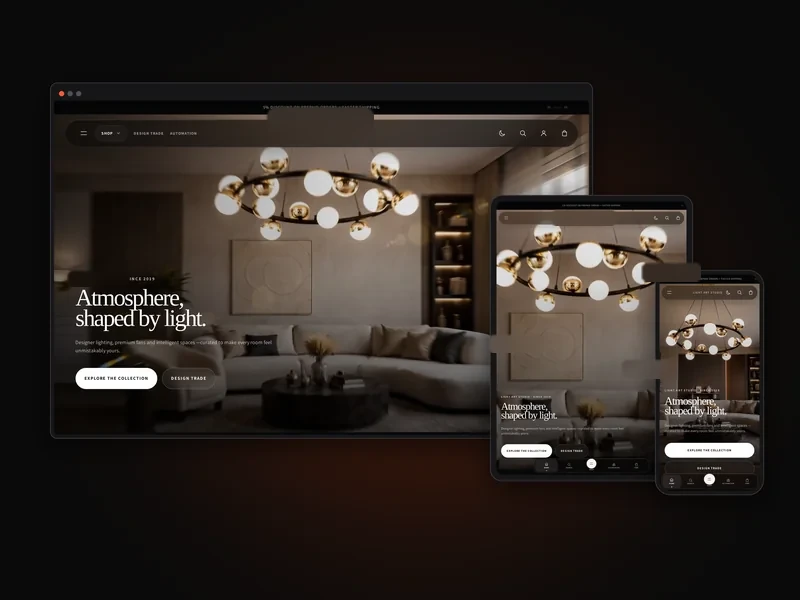 ServiceEcommerce website development
Shopify-led ecommerce websites for Indian brands. From ₹1.5L, clear quote first.
See ecommerce website development → GuideWhat a Shopify website costs in India in 2026
Custom theme vs premium theme vs freelancer, and what drives the price.
Read the Shopify website cost guide →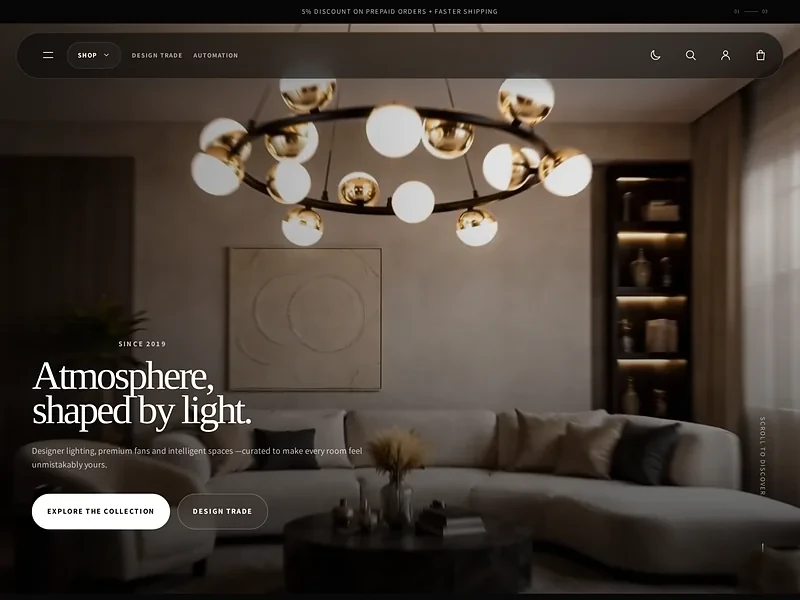 Case studyLuxury lighting brand: ₹1.23 Cr net sales
Meta ads, a WhatsApp sales flow and the Shopify store, July to October 2026.
Read the Luxury Lighting Brand case study →Next step
Hire a team that builds to sell.
Send us your brief and we will come back with a clear quote, or tell you if a smaller job will do.
Or call +91 83173 44121 · Mon–Sat, 9 AM–9 PM · We reply within one working day
Enquiry
Tell us about your brand.
Or write to hello@aryketing.in, or call or WhatsApp +91 83173 44121. We reply within one working day.